About All ToursMoon Valley ToursBaltinache Lagoons ToursAstronomical ToursFrom San Pedro de AtacamaPrivate ToursUyuni Salt Flats Tours3 Day ToursGeyser del Tatio ToursPiedras Rojas & Lagoons Tours Directions Hours & Fees
Find Tours 
Explore the lunar-like landscapes of the Atacama Desert with a guided excursion into the Valley of the Moon. These half-day trips showcase unique geological formations, sharp salt ridges, and massive sand dunes shaped by wind and time.
 Free Cancellation
 See the best of La Paz, from the Valley of the Moon to the cable cars and historic downtown markets.
 Free Cancellation
 Visit the Atacama’s salt-crusted valleys and rock formations, ending with sunset drinks overlooking the desert.
 Free Cancellation
 Witness the surreal, lunar-like terrain of the Atacama, from salt sculptures to sunset views over Duna Mayor.
 Free Cancellation
 Explore the moon-like landscapes and salt formations of the Atacama Desert in a small-group setting.
 Free Cancellation
 Explore the salt caves and dunes of Moon Valley from San Pedro de Atacama, ending with a sunset over the desert peaks.
 Free Cancellation
 Explore the rock formations and dunes of the Valley of the Moon at sunset, ending with a pisco sour.
 Free Cancellation
 Walk through the surreal geological formations and vibrant colors of the Valley of the Moon near San Pedro de Atacama.
 Free Cancellation
 Walk through salt-encrusted plains and lunar-like rock formations on this classic desert landscape tour.
 Free Cancellation
 Explore the salt caves and dunes of the Atacama Desert, ending with sunset views over the Valley of the Moon.
 Free Cancellation
 Explore the lunar landscapes and sand dunes of the Atacama Desert before watching the sunset over the valley.
Read what travelers share about their experience visiting Atacama Desert — from practical tips to personal highlights.
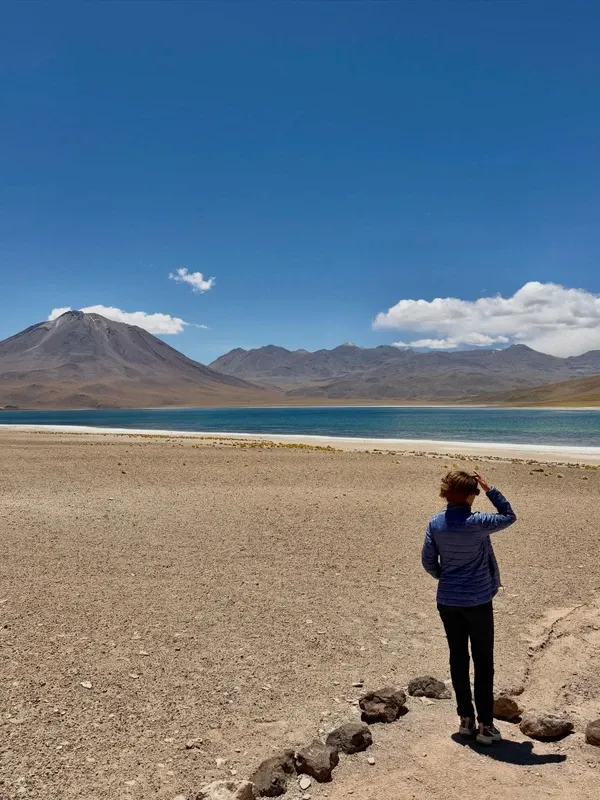
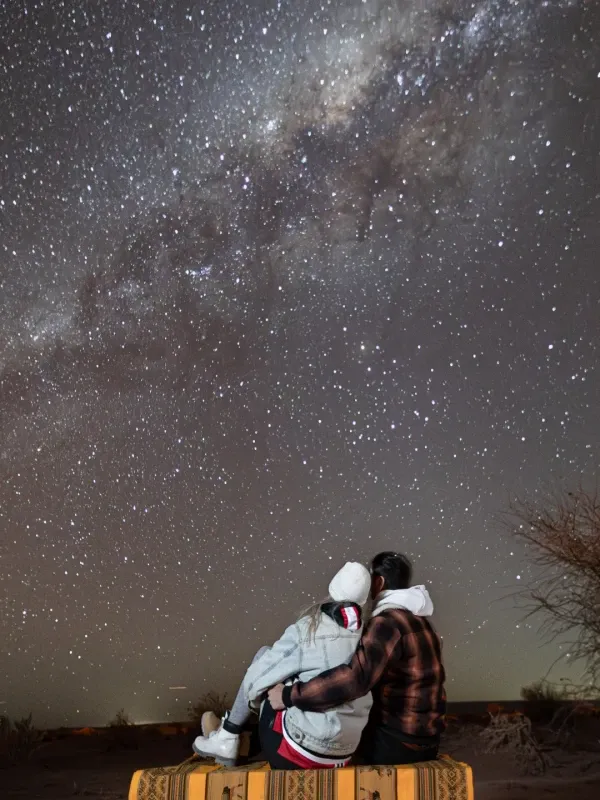

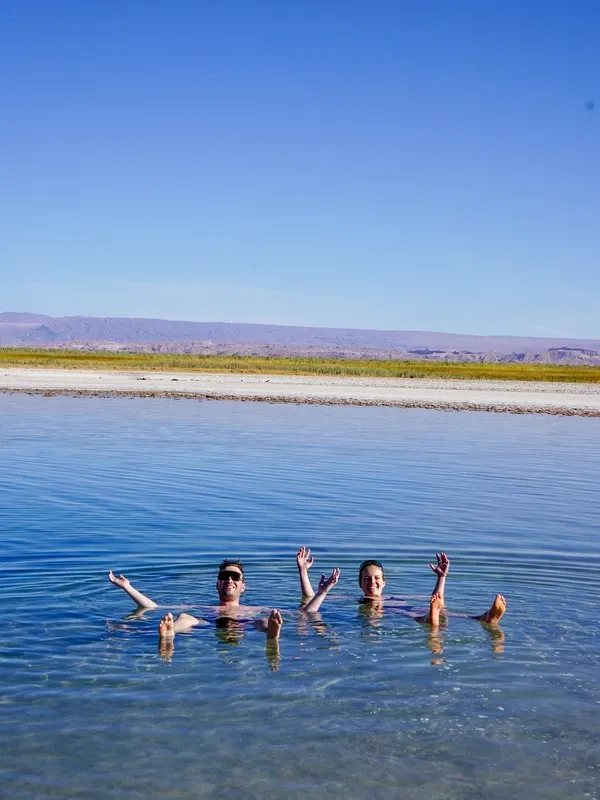

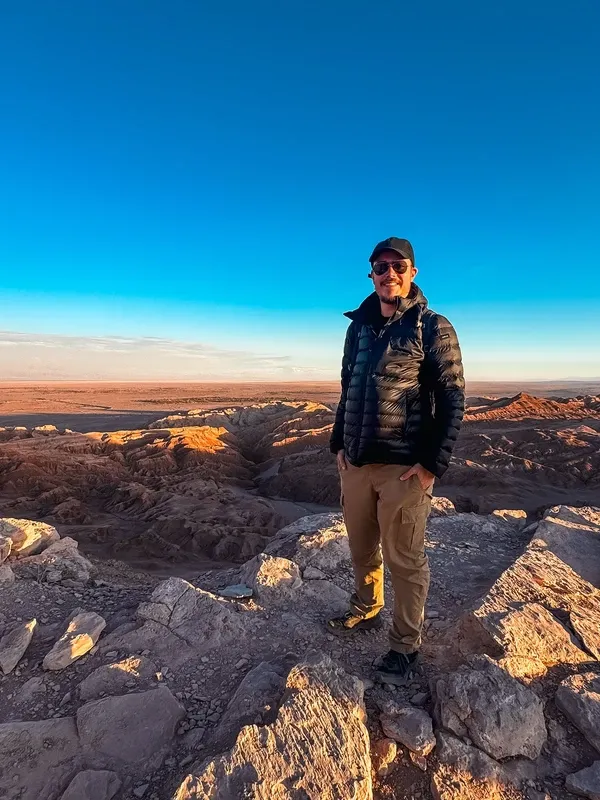
A trip to the Valley of the Moon (Valle de la Luna) thrusts you into one of the most Mars-like environments on Earth. Located just outside San Pedro de Atacama, these half-day tours take you through the Salt Mountain Range to witness jagged salt-crusted peaks, massive sand dunes, and surreal wind-sculpted rock formations.
Climb this massive, sweeping sand dune for panoramic views of the Salt Mountain Range. The hike takes some effort in the loose sand, but the vantage point is unbeatable.
Examine ancient, wind-eroded geological formations made of gravel, clay, salt, and quartz that have stood in the desert for over a million years.
Marvel at a colossal natural rock formation that looks remarkably like a giant Roman amphitheater carved straight into the desert floor.
Watch the salt-crusted mountains shift through vibrant shades of deep red, pink, and purple as the sun dips below the horizon.
Walk through deep, dry canyons and salt ridges that are so similar to the surface of Mars that NASA uses the region to test planetary rovers.
Planning your Valley of the Moon excursion requires a bit of prep, especially since you are heading into the driest non-polar desert on Earth. Here is what you need to know before securing your spot.
Most tours are half-day excursions lasting 4 to 5 hours. They typically depart in the mid-afternoon to ensure you catch the famous desert sunset. You can choose between standard bus tours, small-group van tours, or private guided trips.
Almost all tour operators exclude the Valle de la Luna entrance fee (approximately 10,800 CLP) from the booking price. You must purchase this ticket online in advance through the park's official website, as cash is not accepted at the gate.
Expect a moderate amount of walking on uneven, sandy terrain, including a hike up the Great Dune. Due to the 2,550m altitude and physical exertion, tours are not recommended for pregnant travelers or those with cardiovascular issues.
Many operators enforce a minimum age requirement of 7 years old. The extreme temperature swings, intense sun exposure, and dry air can be very difficult for younger children to handle safely.
Layering is non-negotiable. Daytime temperatures can hit 30°C, but they plummet rapidly after sunset. Bring a breathable shirt, a heavy thermal jacket, SPF 50+ sunscreen, polarized sunglasses, and at least 1.5 liters of water per person.
Most tours include pickup from hotels in central San Pedro de Atacama. If you are staying in the outskirts (like the Ayllus), you will likely need to meet your guide at a central point like Plaza Turistur.
The standard policy across most Atacama operators allows for a full refund if you cancel at least 24 hours before your scheduled departure time, giving you flexibility if your travel plans change.
| Standard Half-Day Tour | Small-Group Sunset Tour | Private City & Moon Valley Tour | |
|---|---|---|---|
| Duration | 4 - 5 hours | 4.5 - 5 hours | Flexible (Half-Day) |
| Inclusions | Bilingual guide, hotel pickup, shared transport | Bilingual guide, snacks/cocktails, hotel pickup | Private transport, dedicated guide, cable car (if applicable) |
| Group Size | Large group (Bus/Minibus) | Small group (Max 10-15) | Private (Your group only) |
| Price Range | $35 - $45 USD | $50 - $65 USD | $40+ USD (varies by group size) |
Valle de la Luna: The park is generally open to vehicles from 08:30 to 16:00. If you prefer to visit by bicycle, there is an early access window from 08:00 to 11:00.
Other Nearby Sites: If you are planning a multi-day itinerary, note that Laguna Chaxa is open from 07:00 to 18:00, while the El Tatio Geysers open at 06:00 to catch the sunrise steam.
Note: Always double-check hours locally, as CONAF occasionally alters schedules due to weather conditions or maintenance.
By Air: The closest airport is in Calama (CJC), a 3-hour flight from Santiago. From Calama, it is a 100 km drive to the tourist hub of San Pedro de Atacama.
Transfers: Shared shuttles like Transvip cost around 25,000 CLP and take about 1.5 hours to reach San Pedro directly from the airport. Local buses from Calama city center are cheaper (around 5,000 CLP) but take slightly longer.
Driving: If renting a car in Antofagasta or Calama, a standard vehicle is fine for reaching Valle de la Luna, but a high-clearance 4x4 is strongly recommended if you plan to explore remote lagoons or geysers later.
Ideal Months: March to May and September to November are the best times to visit. During these shoulder seasons, temperatures are mild, and the major tourist sites are less crowded.
Months to Avoid: January and February bring the 'Altiplanic Winter.' During this time, moisture from the Amazon reaches the desert, causing rare but intense thunderstorms and flash floods that frequently wash out roads and close the parks.
Wheelchair Access: The terrain in Valle de la Luna is highly uneven, sandy, and rocky, making standard wheelchair access very challenging. However, there are some accessible viewpoints and paved paths near the main entrance.
Specialized Tours: Agencies like 'Wheel the World' operate in the Atacama Desert, providing adapted vans and specialized trekking wheelchairs for visitors with mobility needs.
Elderly Visitors: Suitability is moderate. The high altitude (2,400m to 4,300m regionally) poses a significant risk of altitude sickness (soroche), and walking in the thin air can be strenuous.
Inside the Park: Facilities within the Valle de la Luna are extremely limited to preserve the natural environment. There are basic restrooms located near the park entrance, but none along the trails.
Food and Drink: There are no vendors selling food or water inside the reserve. You must bring all your own supplies. Operators highly recommend carrying at least 1.5 liters of water per person.
Cell Service: Expect zero cell phone reception once you leave the town limits of San Pedro de Atacama. Always download offline maps before your tour begins.
Usually, no. Most tour operators require you to buy your park entrance ticket (around 10,800 CLP) online in advance through the official Valle de la Luna website. Cash is not accepted at the gate.
You need technical layers. It will be hot (up to 30°C) when you start, but temperatures drop drastically by up to 30°C as soon as the sun goes down. Bring a heavy thermal jacket, a hat, and comfortable closed-toe walking shoes.
The valley sits at an altitude of about 2,400m to 2,550m. While this is lower than other Atacama sites like El Tatio, sensitive individuals might still feel shortness of breath or lightheadedness. Drink plenty of water and avoid alcohol to acclimatize.
Most operators set a strict minimum age of 7 years old. The extreme temperature swings, intense sun, and moderate walking on sandy terrain can be very tough on younger children.
No, the local tap water contains high levels of arsenic and heavy minerals. You must bring bottled or filtered water on your tour—at least 1.5 liters per person is highly recommended.
No, drones are strictly prohibited in Valle de la Luna and all other National Parks in the region. You can only fly one if you have obtained a specific, advance permit from CONAF and the DGAC.
Yes, it is highly recommended to carry Chilean Pesos (CLP). While park tickets are bought online, you may need cash for tips, small artisan shops in town, or restrooms, as credit cards are not always accepted.
Expect a moderate amount of walking. You will be hiking up sandy inclines like the Great Dune and walking along uneven, salt-crusted trails to see formations like the Amphitheater and Las Tres Marías.
Tour operators prohibit pregnant travelers due to the high altitude, uneven terrain, risk of falls on the sandy trails, and the remote nature of the desert, which is far from advanced medical facilities.
March to May and September to November are the best times to visit. Avoid January and February, as the 'Altiplanic Winter' can cause sudden thunderstorms and flash floods that force the park to close.
Browse verified tours with free cancellation and instant confirmation.
Find Tours


This tour covers the city's most distinct landscapes and historic sites in a single trip. We start at the Valley of the Moon, an area known for its unique clay formations; because of the high altitude and reflection, you'll need to bring sunscreen and a hat. From there, we head to the cable car system for a ride between La Paz and El Alto. This is the best way to see the city's bowl-shaped topography and the peaks of the Cordillera Real. Back on the ground, we walk through the historic center. The route includes the colonial architecture of Jaen Street, the government buildings at Plaza Murillo, and the San Francisco Church. We finish at the Witches Market, where you can see traditional Andean rituals and crafts. Throughout the day, your guide will provide context on the history of each site and can offer local recommendations for restaurants or logistics for the rest of your stay.
For a full refund, cancel at least 24 hours before the scheduled departure time.
English, Spanish


This tour travels into the Salt Mountain Range to explore the lunar-like terrain of the Atacama Desert. You will see the effects of wind erosion on the landscape, including the natural mineral formations of Las Tres Marías. The route includes stops at the Duna Mayor, the natural Amphitheater, and the Piedra del Coyote, where the geology reflects centuries of environmental shifts. To finish the excursion, we head to a vantage point overlooking the valley to watch the sunset. As the light changes across the desert floor, we provide a selection of drinks and snacks. This provides a quiet moment to take in the panoramic views of the valley before returning.
For a full refund, cancel at least 24 hours before the scheduled departure time.
English, Spanish


Located within the Los Flamencos National Reserve at 2,407 meters above sea level, Valle de la Luna is a protected Nature Sanctuary defined by its unique geological formations. Originally called Las Salinas by local ancestors, the area earned its current name due to its resemblance to a lunar landscape. The terrain features a mix of salt, clay, and rock shaped over thousands of years. During the visit, you will see the natural rock sculptures known as Las Tres Marías and the Duna Mayor, a massive sand formation. The tour also includes a stop at Quebrada Honda to visit the Ckari viewpoint and the famous Piedra del Coyote. While the valley is accessible throughout the day, the geological features are best observed during the shifting light of sunrise or sunset.
For a full refund, cancel at least 24 hours before the scheduled departure time.
English, Spanish


This small-group tour takes you into the heart of the Atacama Desert to explore the Flamencos National Reserve. By traveling in a limited group size, you can experience the landscape more closely while avoiding the typical crowds of larger bus tours. The itinerary focuses on the Moon Valley and the rugged Salt Mountain Range. You will visit the 'Las Tres Marias,' which are natural clay and salt formations shaped by erosion over centuries. The tour concludes at the Kari Lookout, providing a panoramic view of the desert terrain.
For a full refund, cancel at least 24 hours before the scheduled departure time.
English, Spanish


Located in the Salt Mountain Range near San Pedro de Atacama, the Valle de la Luna is defined by its extreme aridity and distinct geological formations. The landscape consists of massive sand dunes, jagged rock peaks, and deep depressions formed over thousands of years by wind and water erosion. This guided tour takes you into the heart of the valley to explore its network of salt caves and narrow canyons on foot. You will navigate the varied terrain of the Atacama Desert while learning about the unique mineral compositions that give the area its white, salt-crusted appearance. The trip concludes with a walk up a prominent dune as the day ends. From this vantage point, you can watch the light shift across the Salt Mountain Range, highlighting the textures of the valley floor during sunset.
For a full refund, cancel at least 24 hours before the scheduled departure time.
English, Spanish


This tour visits the Valley of the Moon near San Pedro de Atacama, a landscape defined by its salt-crusted earth, sand dunes, and deep canyons. You will walk through the area to see the Three Marys (Tres Marías) rock formations and learn about the geological forces that shaped this part of the Atacama Desert. The excursion concludes at the Mirador del Coyote, a viewpoint that overlooks the salt mountain range. From here, you can watch the colors of the desert shift as the sun sets. To finish the afternoon, the group will share a pisco sour cocktail before returning to town.
For a full refund, cancel at least 24 hours before the scheduled departure time.
Portuguese, English, Spanish


The Valley of the Moon is a distinct landscape located just outside San Pedro de Atacama. Named for its resemblance to the lunar surface, the area is defined by sharp salt ridges, deep craters, and wind-sculpted rock formations that have shifted over millions of years. During the tour, you will walk through the valley to observe these geological features up close. The terrain displays a range of natural textures and colors that shift as the light changes across the desert. This excursion includes round-trip transportation from San Pedro de Atacama.
For a full refund, cancel at least 24 hours before the scheduled departure time.
Portuguese, English, Spanish


This tour visits a desert landscape shaped by wind and salt, featuring rock formations that closely resemble the surface of the moon. You will explore the park's main landmarks while learning about the geological history and the specific minerals that make up this unique environment. As a staple experience for visitors to the region, the excursion provides a clear look at the desert's natural evolution. Please be aware that the park entrance fee is not included in the booking price. This fee must be paid separately in person at the agency office.
For a full refund, cancel at least 24 hours before the scheduled departure time.
Portuguese, English, Spanish


This excursion travels into the Salt Range to explore the distinct geological features of the Valley of the Moon. The route includes visits to the Tres Marías formations, the Natural Amphitheater, and the Great Dune, where you can see the scale of the desert and the surrounding mountain ridges. You will also visit the Ckary viewpoint, which provides a broad view of the valley’s salt-crusted terrain and the distant Andes. A bilingual guide accompanies the group to explain how the local ecosystem and rock formations developed. The tour finishes at a lookout point to watch the sunset before returning to San Pedro de Atacama.
For a full refund, cancel at least 24 hours before the scheduled departure time.
English, Spanish


This tour visits the geological formations of the Atacama Desert’s Valley of the Moon. You will walk through a landscape shaped by wind and salt, visiting massive sand dunes and rock structures that resemble the surface of the moon. The route provides a close look at the textures and mineral compositions that define this part of the desert. The experience concludes at a designated viewpoint to watch the sunset. As the sun goes down, the light shifts across the valley, changing the colors of the rocks and sand. This transition offers a clear view of the Cordillera de la Sal and the surrounding mountain peaks as they change from bright gold to deep purple.
For a full refund, cancel at least 24 hours before the scheduled departure time.
Portuguese, English, Spanish