About All ToursMoon Valley ToursBaltinache Lagoons ToursAstronomical ToursFrom San Pedro de AtacamaPrivate ToursUyuni Salt Flats Tours3 Day ToursGeyser del Tatio ToursPiedras Rojas & Lagoons Tours Directions Hours & Fees
Find Tours 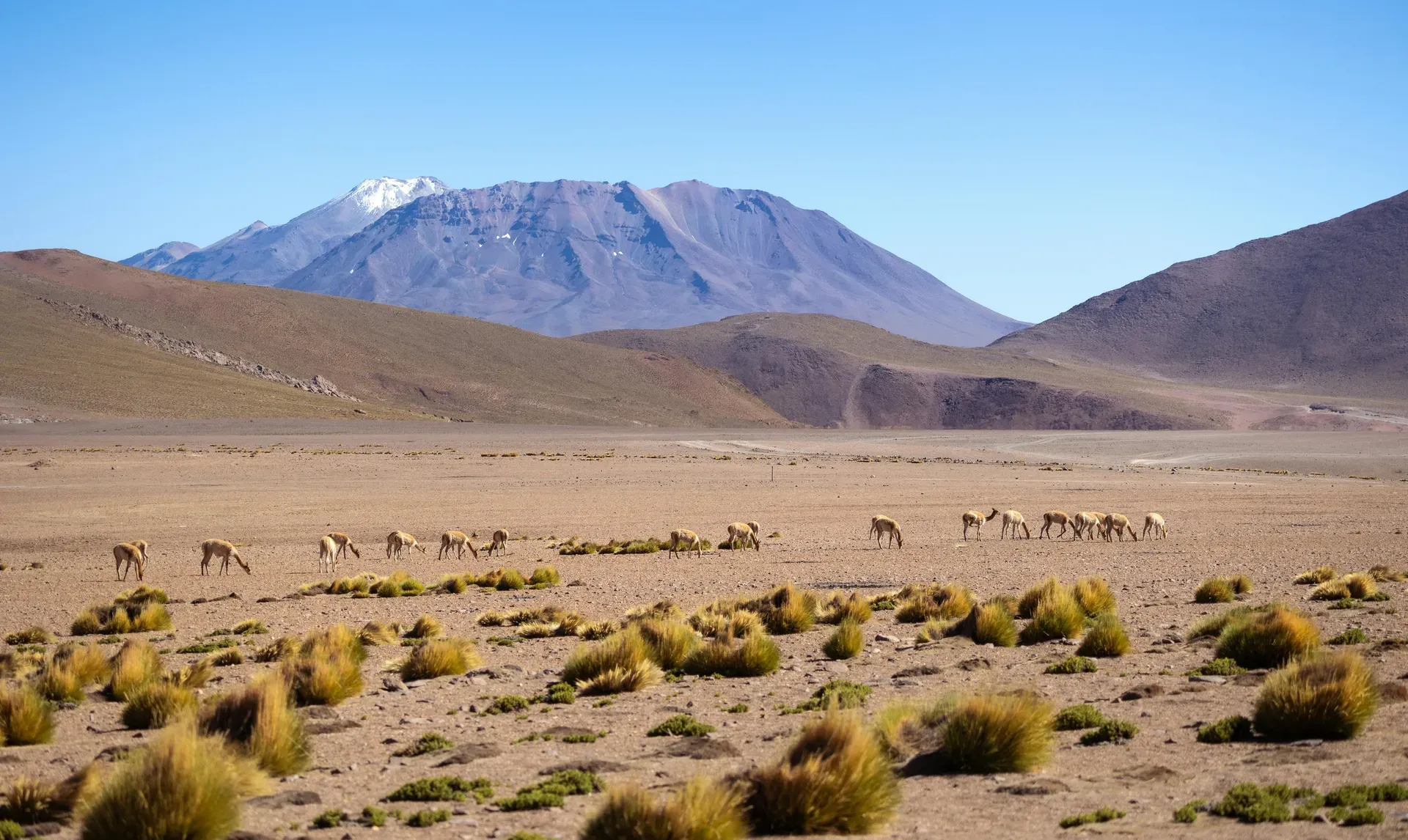
Embark on a multi-day 4x4 expedition connecting the high-altitude landscapes of the Atacama Desert and the Bolivian Altiplano. These three- to four-day tours include cross-border transfers, meals, and accommodations as you explore mineral-rich lagoons and volcanic terrain.

Explore the Uyuni Salt Flat and High Andean lagoons on a four-day round trip from San Pedro de Atacama.

A multi-day expedition from San Pedro de Atacama to Bolivia’s salt flats, lagoons, and high-altitude geysers.
 Free Cancellation
 Explore the Uyuni salt flats, colored lagoons, and volcanoes by 4x4 with an English-speaking guide.

A 3-day 4x4 journey from San Pedro de Atacama to the Uyuni Salt Flats, crossing Bolivia’s high-altitude deserts.
Read what travelers share about their experience visiting Atacama Desert — from practical tips to personal highlights.
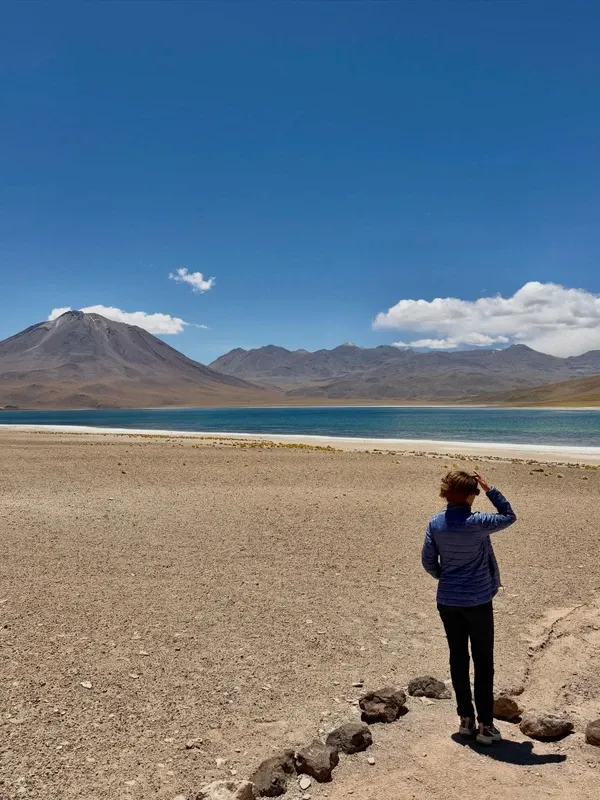
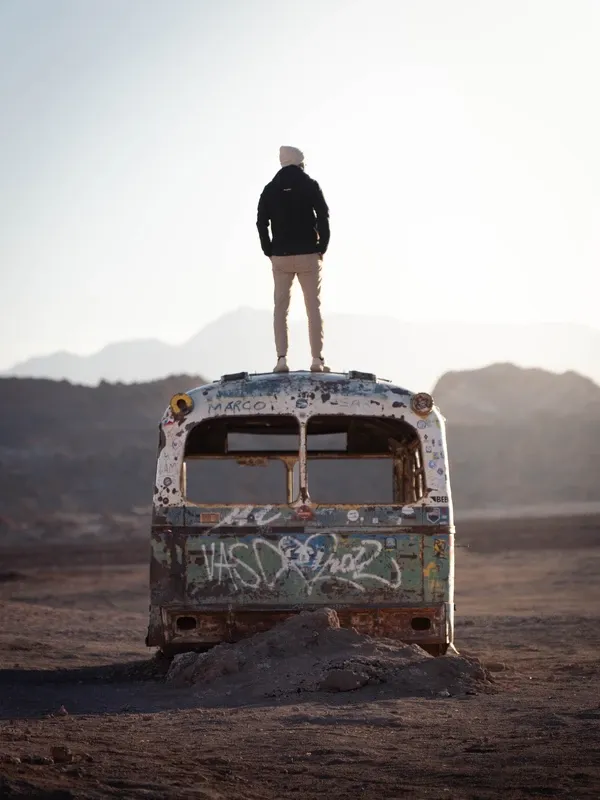
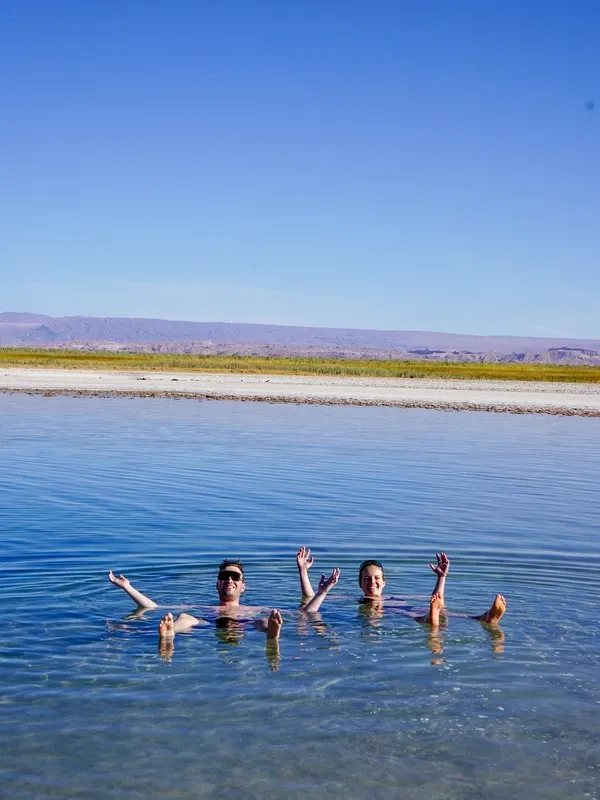
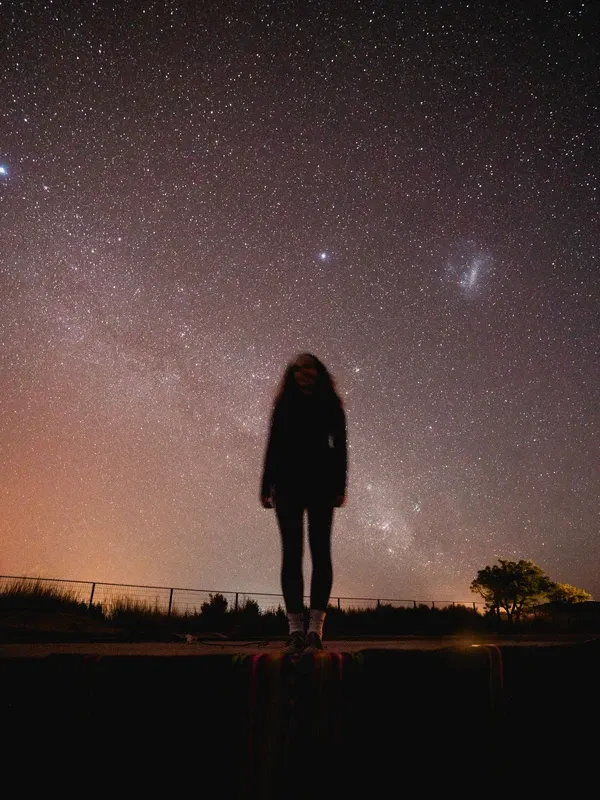
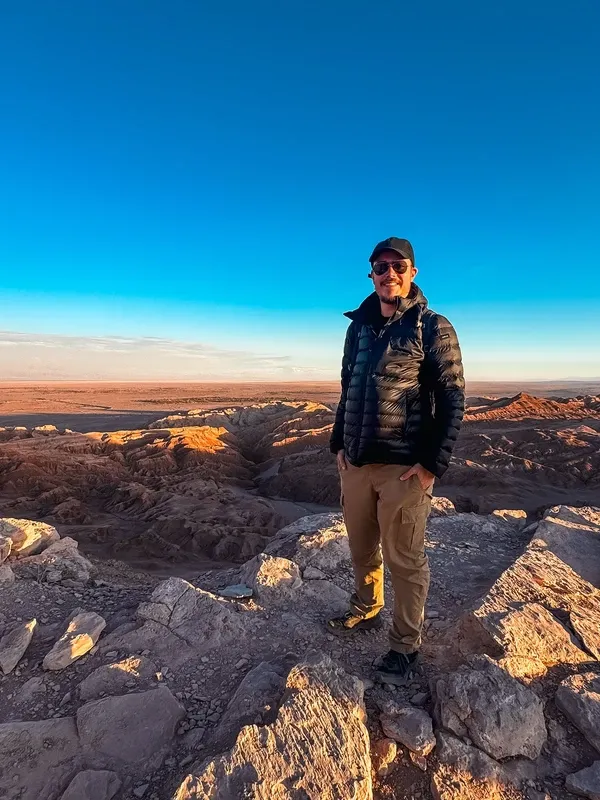
A journey through the Atacama Desert and Uyuni Salt Flats is an expedition into some of the most extreme and otherworldly landscapes on Earth. You will cross high-altitude deserts in 4x4 vehicles, witness bubbling geysers at dawn, and explore massive, blinding-white salt flats that stretch to the horizon.
Drive across the Salar de Uyuni and Salar de Atacama, the largest and third-largest salt flats in the world, featuring mind-bending optical illusions.
Watch the sunrise at El Tatio (4,320m) as dozens of geothermal steam columns erupt into the freezing morning air.
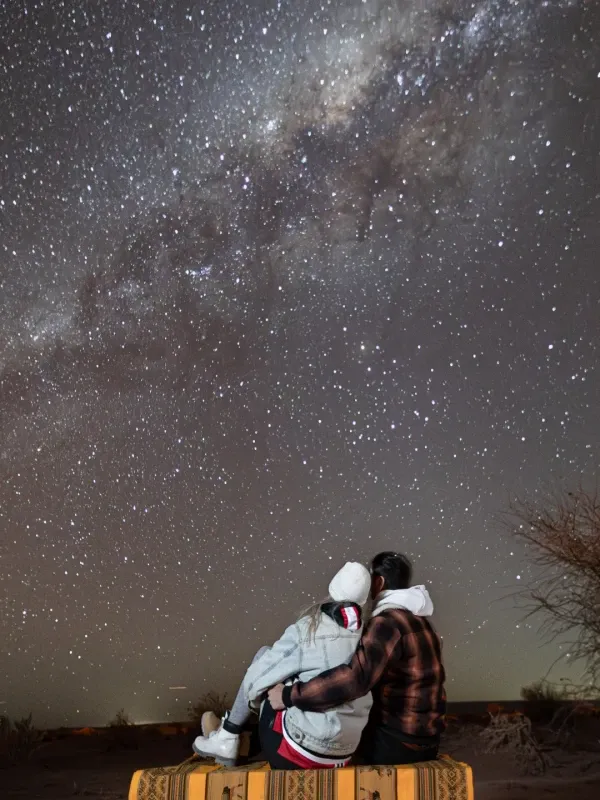
Experience the clearest night skies on the planet, with visibility so perfect that NASA and ALMA use the region for deep-space observation.
Visit mineral-rich Altiplanic lagoons tinted bright red and green, home to flocks of wild Andean, Chilean, and James flamingos.
Watch the sunset at Valle de la Luna, where salt-crusted mountains and sand dunes turn deep shades of red and purple.
Planning a trip to the Atacama and Uyuni requires careful attention to logistics, altitude, and tour inclusions. Here is what you need to know before securing your spot.
Most multi-day excursions are rugged 4x4 expeditions. You can choose a 3-day one-way transfer tour (ending in Uyuni) or a 4-day roundtrip that brings you back to San Pedro de Atacama.
Check your inclusions carefully. Many tours do not include the entrance fee for the Eduardo Abaroa National Reserve or local indigenous community fees. You will need to bring cash (often in Bolivianos) for these gates.
These tours reach extreme elevations, frequently exceeding 4,300m. Plan to spend at least 48 hours in San Pedro de Atacama (2,400m) to acclimatize before booking high-altitude trips like El Tatio or the Uyuni crossing.
Budget-friendly group tours often feature Spanish-speaking driver-guides. If you require an English-speaking guide, you will need to book specific, slightly more expensive tours and confirm the language at checkout.
There is no formal dress code, but technical layering is mandatory. You will experience 30°C heat during the day and freezing temperatures down to -15°C at night, especially in shared hostel accommodations.
Most multi-day operators offer a full refund if you cancel at least 3 full days before departure. Some specialized routes from La Paz allow cancellations up to 24 hours in advance.
For day trips around Atacama, advance online booking is mandatory for sites like Valle de la Luna and Puritama Hot Springs. Multi-day tour operators usually handle the Bolivian border logistics, but you must bring your passport and necessary visas.
| 4-Day Roundtrip Expedition | 3-Day One-Way Transfer | La Paz to Atacama Route | |
|---|---|---|---|
| Duration | 96 hours | 72 hours | 72 hours |
| Route | Atacama > Uyuni > Atacama | Atacama > Uyuni | La Paz > Uyuni > Atacama |
| Languages | Spanish & English | Spanish | Spanish & English |
| Price from | $385 - $411 | $315 | $510 |
Operating hours for major sites in the Atacama Desert are strictly enforced by CONAF and local indigenous communities. Always check ahead as they can change seasonally.
San Pedro de Atacama is the main hub for these tours, located about 1,200 km north of Santiago.
The shoulder seasons are generally the most comfortable times to explore the desert and salt flats.
The extreme environment presents several physical challenges for visitors.
Preparation is key, as infrastructure is extremely limited once you leave the main towns.
Strict environmental and cultural protections are in place across both the Chilean and Bolivian sides of the border.
No, the tap water in San Pedro de Atacama contains high levels of arsenic and other heavy minerals. You should only consume bottled or filtered water during your stay.
It is crucial to acclimatize at 2,400m in San Pedro for at least 48 hours before heading to higher elevations like El Tatio (4,320m). Drink 3-4 liters of water daily, avoid alcohol, and pack basic headache medications.
Usually not. Most multi-day tours exclude the entrance fees for places like the Eduardo Abaroa National Reserve. You will need to bring extra cash to pay these fees at the gates.
Drones are strictly prohibited in all National Parks and protected areas without a special permit from CONAF and DGAC. Flying them without permission can result in heavy fines.
Stargazing tours are often canceled or severely limited during the three days before and after a full moon. The bright moonlight washes out the stars and the Milky Way, making observation difficult.
The Altiplanic Winter occurs in January and February when moisture from the Amazon reaches the desert. This causes rare but intense thunderstorms, flash floods, and sudden road closures.
There are several ATMs on Caracoles Street in San Pedro de Atacama, but they frequently run out of cash during weekends and peak seasons. It is highly recommended to bring backup cash.
For main sites near town like Valle de la Luna, a standard car is fine. However, for El Tatio, the remote lagoons, or crossing into Bolivia, a high-clearance 4x4 is strongly recommended.
Yes, free public tours of the ALMA observatory are available on Saturdays and Sundays. However, because it is the world's largest land-based observatory, you must book online 2-3 months in advance.
You need technical layers for extreme temperature swings. Pack lightweight, breathable clothes for 30°C daytime heat, and heavy thermal jackets, gloves, and hats for nights that can drop to -15°C.
Browse verified tours with free cancellation and instant confirmation.
Find Tours


This four-day expedition departs from and returns to San Pedro de Atacama, taking you through the high-altitude landscapes of the Bolivian Altiplano. The itinerary includes visits to the Altiplanic Lagoons, the Siloli Desert, and the Polques Hot Springs. You will spend the final morning of the trip exploring the vast expanse of the Uyuni Salt Flat. There are two accommodation tiers available for this journey. The shared room option provides communal lodging on the first and third nights, while the second night is spent in a private room at a Salt Hostel. The private room option ensures a private space for every night of the tour. We prioritize safety and service quality by working exclusively with experienced local drivers and vetted accommodations. This ensures a reliable and professional experience throughout the remote desert terrain.
If you cancel at least 3 full day(s) before the scheduled departure time, you will receive a full refund.<br>If you cancel within 3 day(s) of the scheduled departure, you will receive a 0% refund.
Spanish


This expedition crosses the rugged landscapes of southwest Bolivia, starting with a pickup from your hotel in San Pedro de Atacama. Travelers can choose between a three-day one-way trip ending in Uyuni or a four-day round trip that returns to Chile. The route travels through the Altiplano, visiting active geysers, high-altitude lagoons, and volcanic regions before reaching the expansive Salar de Uyuni. The tour includes all meals, transport, and hostel accommodation. While shared rooms are the standard, you can upgrade to a private room with an ensuite bathroom. A local Spanish-speaking driver leads the group, and an English-speaking guide can be added for an additional fee. Because this is a remote region with limited infrastructure, electricity and heating often run on a schedule and internet connectivity is rare. We focus on reliable logistics and hygiene to make the journey as smooth as possible. Please be aware that the itinerary may be adjusted on the fly due to weather or road conditions. This trip is designed for those comfortable with high altitudes and basic living conditions in exchange for access to some of the most remote scenery in South America.
If you cancel at least 3 full day(s) before the scheduled departure time, you will receive a full refund.<br>If you cancel within 3 day(s) of the scheduled departure, you will receive a 0% refund.
English, Spanish

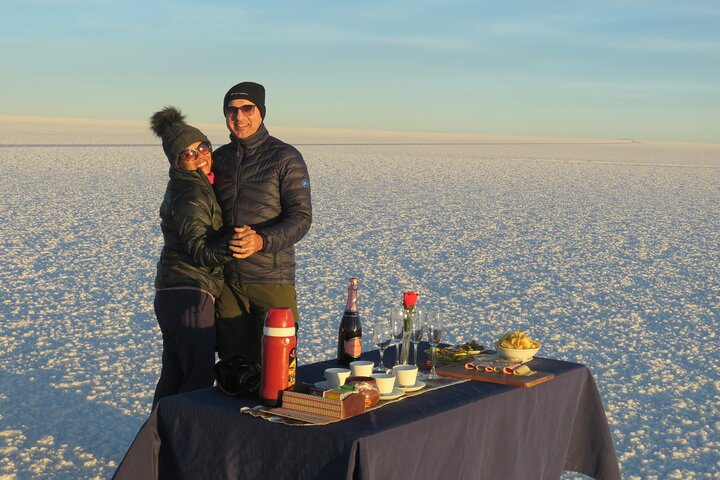

This expedition travels through the Uyuni salt flats and the surrounding high-altitude deserts. The route visits mineral-rich colored lagoons, volcanic landscapes, and remote areas where you can observe Andean wildlife and native flora in their natural environment. Transportation is provided in a comfortable 4x4 vehicle suited for the rugged terrain. Each trip includes a professional driver and an English-speaking guide to assist with navigation and provide information about the geography and history of the region.
For a full refund, cancel at least 24 hours before the scheduled departure time.
English, Spanish


This three-day 4x4 expedition starts in San Pedro de Atacama and ends in Uyuni, serving as a direct transfer for travelers heading into Bolivia. You will traverse the Altiplano’s high-altitude terrain, visiting the Salvador Dalí Desert, the Polques Hot Springs, and the Eduardo Avaroa National Reserve. The route passes several colored lagoons before reaching the Salar de Uyuni for a sunrise viewing over the world's largest salt desert. The tour includes all transport and lodging, with the choice between shared or private rooms. If you opt for a shared room, the itinerary still provides a private room on the second night at a hostel constructed from salt. We prioritize reliable vehicles and experienced guides to navigate the remote conditions of the Bolivian highlands.
If you cancel at least 3 full day(s) before the scheduled departure time, you will receive a full refund.<br>If you cancel within 3 day(s) of the scheduled departure, you will receive a 0% refund.
Spanish